Projects

Research

Youth engagement and environment tool
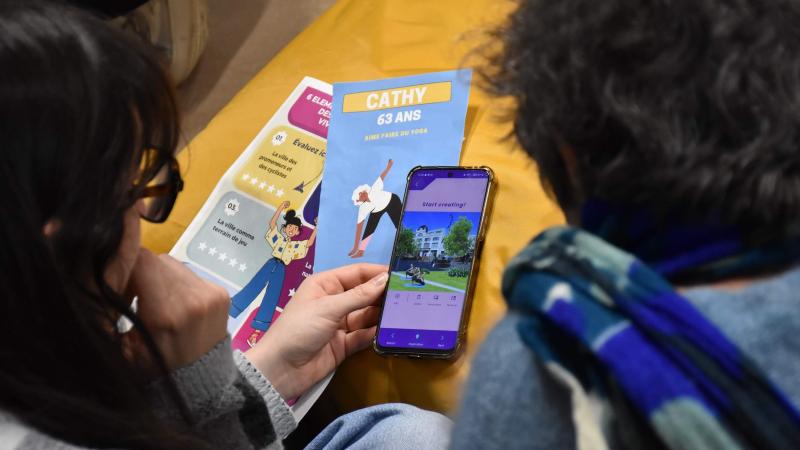
We developed an application together with young people that enables them to contribute their ideas, concerns, skills, and visions to shape their living environment. Through the application, young people can create images of their surroundings, assemble their own creations, and pin them on a map. They can address spatial issues in their neighborhood and engage in dialogue with policymakers, planners, practitioners, entrepreneurs, and others.

Streets for Youth is an Erasmus project that actively engages young people aged 15-20 from Portugal, France and Poland in shaping the city of tomorrow: a city that is adaptable, welcoming and resilient that meets different users' needs. The project connects young people, urban planners, and local policymakers to develop and test innovative participatory methods for public space projects.

Gender-inclusive spaces thrive
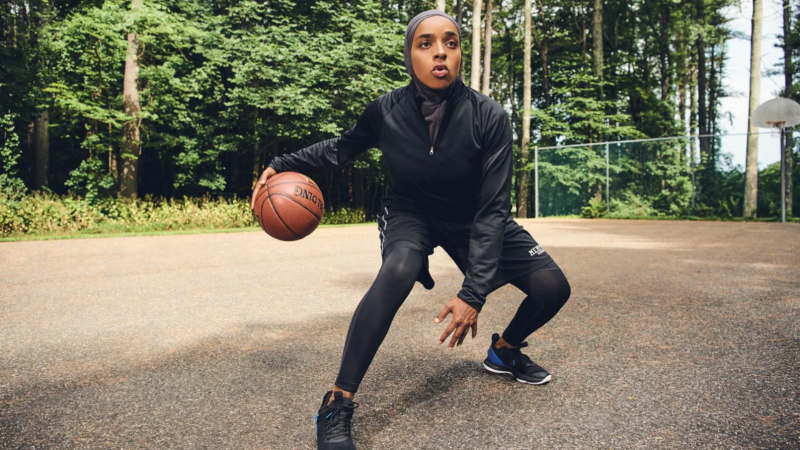
The name of the G.I.R.L! project – from the Dutch ‘gender inclusieve ruimte leeft’, or ‘gender-inclusive space is alive’ – illustrates our objective perfectly: we want to make the concept of inclusive space come alive and bring attention to the issues of teenage girls. We look at whether urban sports can empower girls to claim their place in public spaces.

Many young people show growing concern about the climate crisis and are determined to take action and make their voices heard. Both local governments and youth organizations want to involve young people in sustainability projects, by having them actively participate in the (re)design of public spaces. But how do you approach this concretely if you are a youth organization, city or municipality?

What environmental factors have an impact on healthy ageing? In this project, we seek to develop a screening and monitoring tool to map the age-friendliness of cities.

Start working with data to improve the activities of your community.

To the Exercise Scan!

Inclusion through Physical Activity & Sport
IncluPAS is an EU-funded social-sports project that promotes social inclusion through sport and exercise initiatives. The project is set up for and by socially vulnerable adolescents aged 14 to 18. 

What are important principles to take children and young people into account during renovations and new construction of heritage? Which necessary steps should be incorporated as a (child) reflex at what point in the design process?